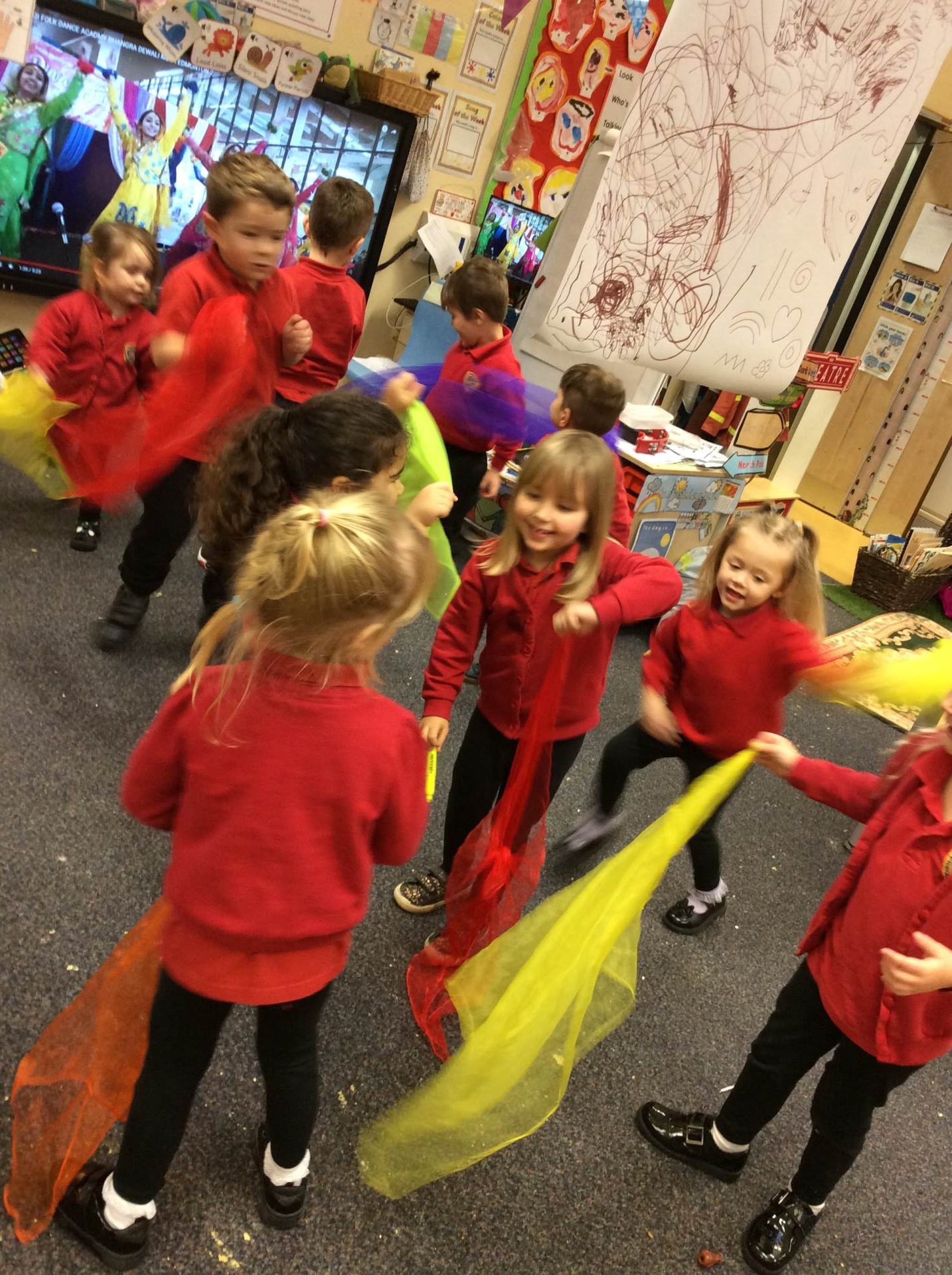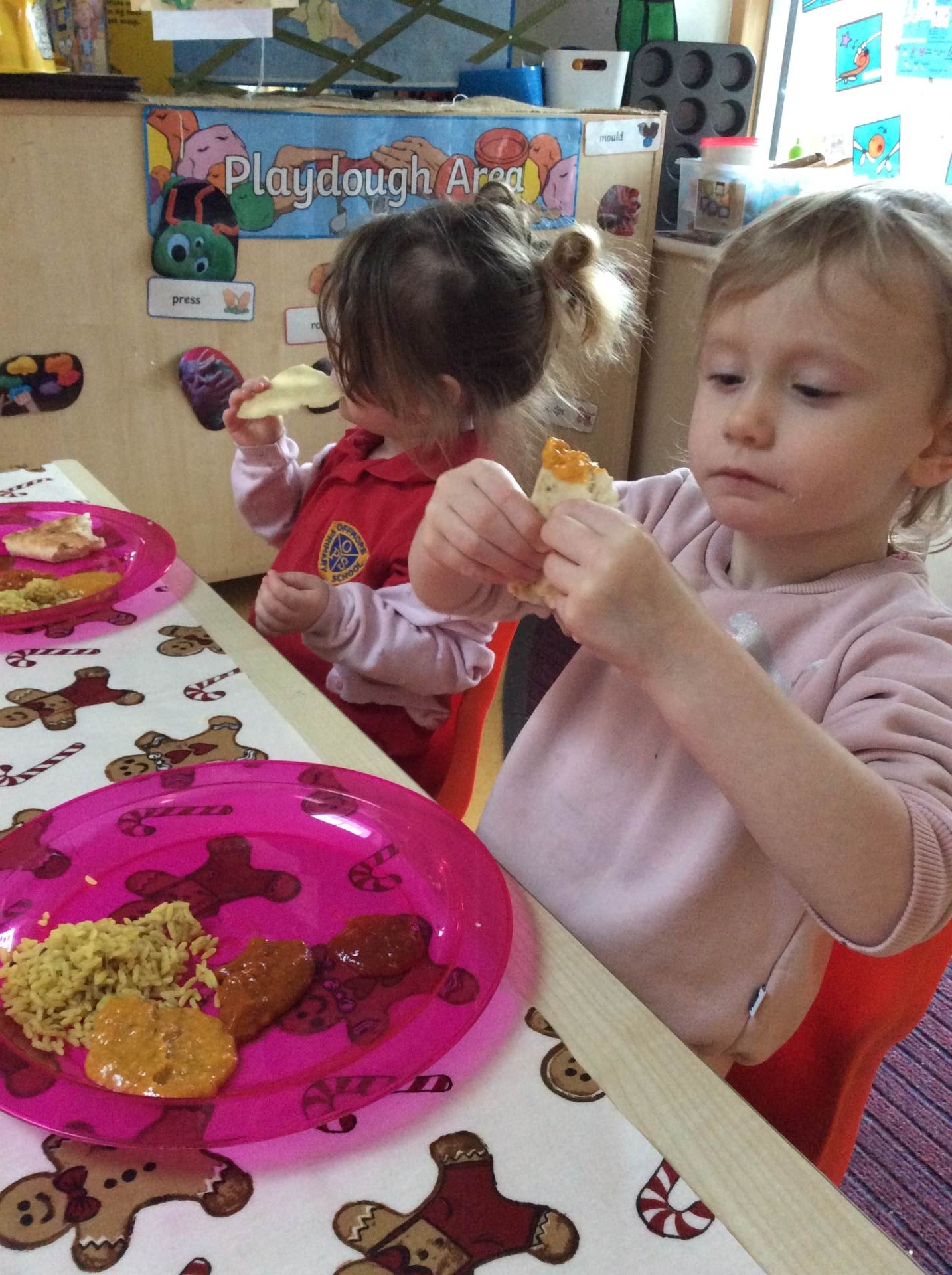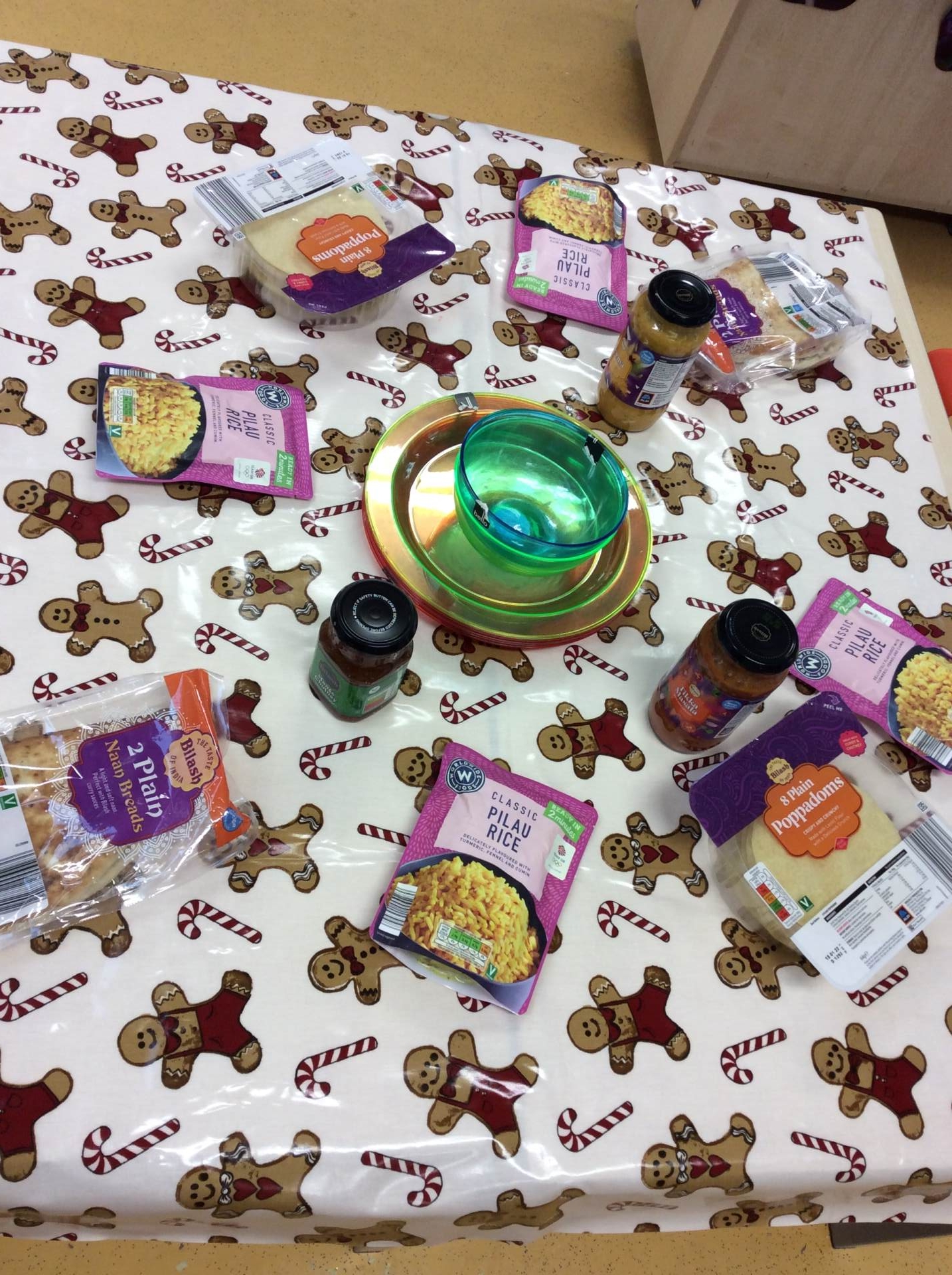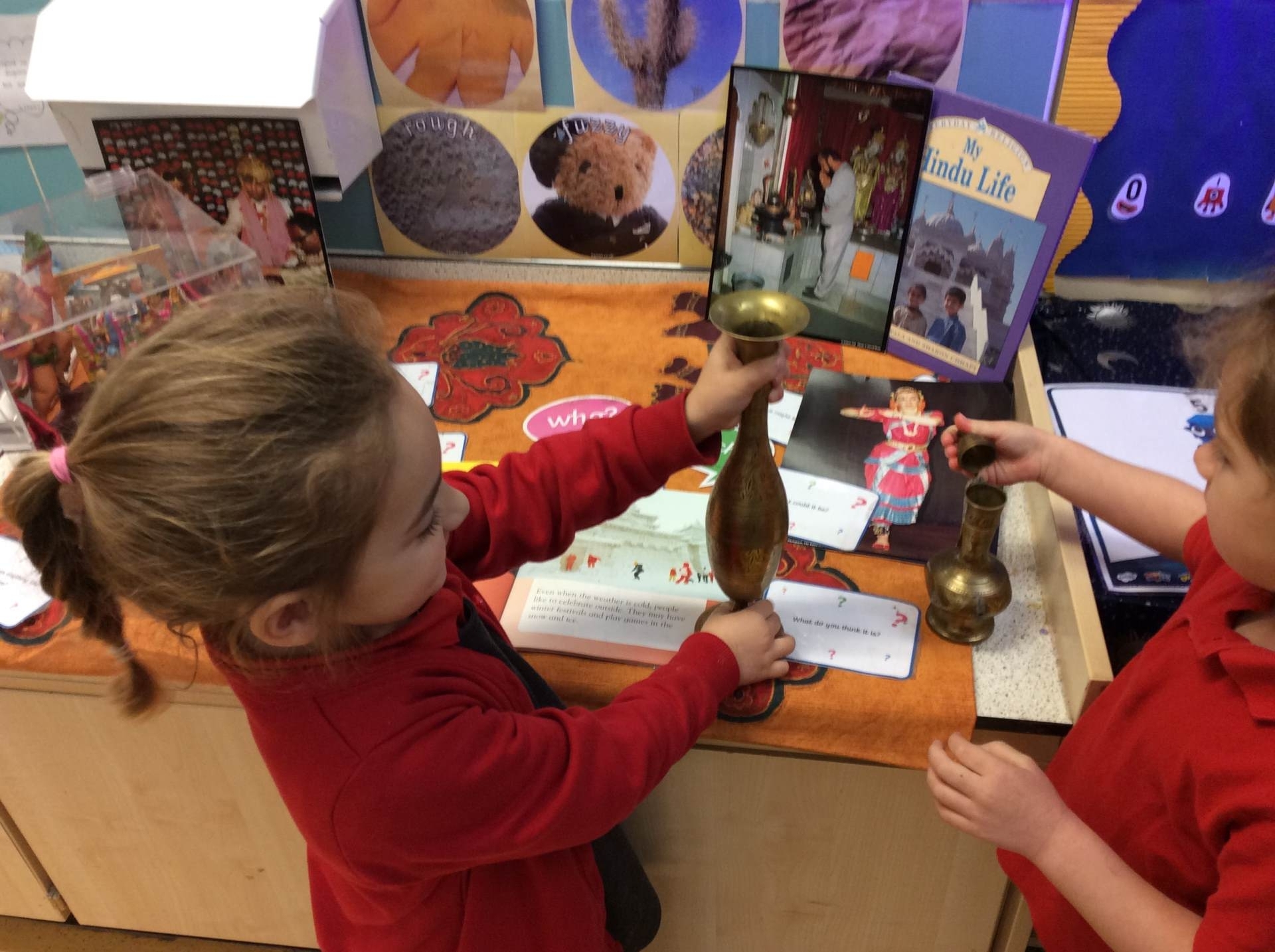

R.E.
RE is taught through the school, following the ‘Worcestershire Agreed Syllabus for RE, 2025-2030’.
b75c76f8a0438b75b33f05bbd48cd3a4.pdf
Through this syllabus many world religions are explored.
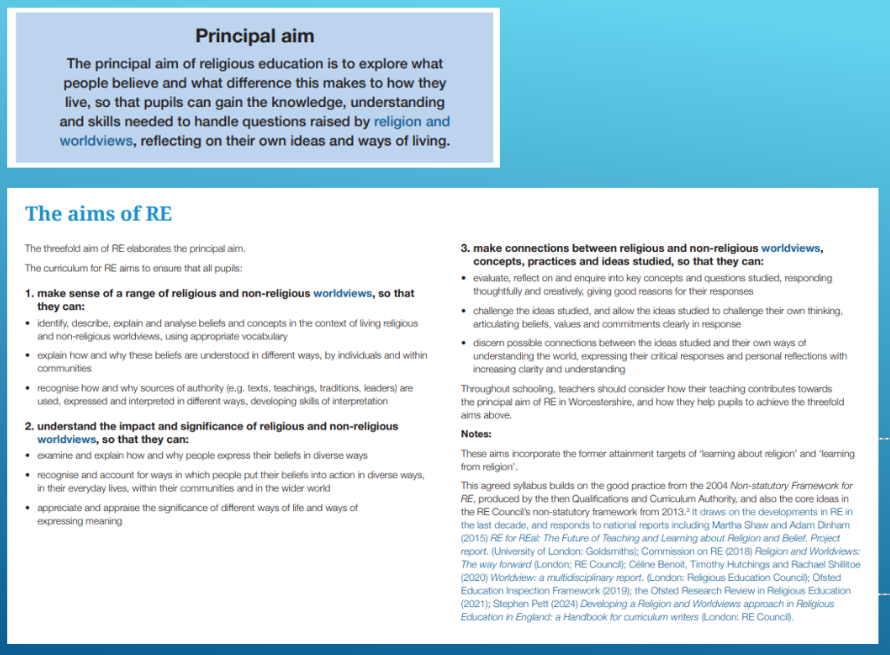
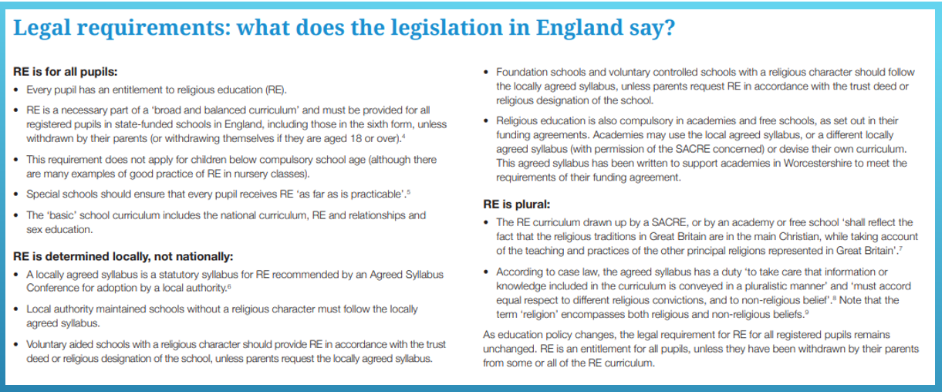
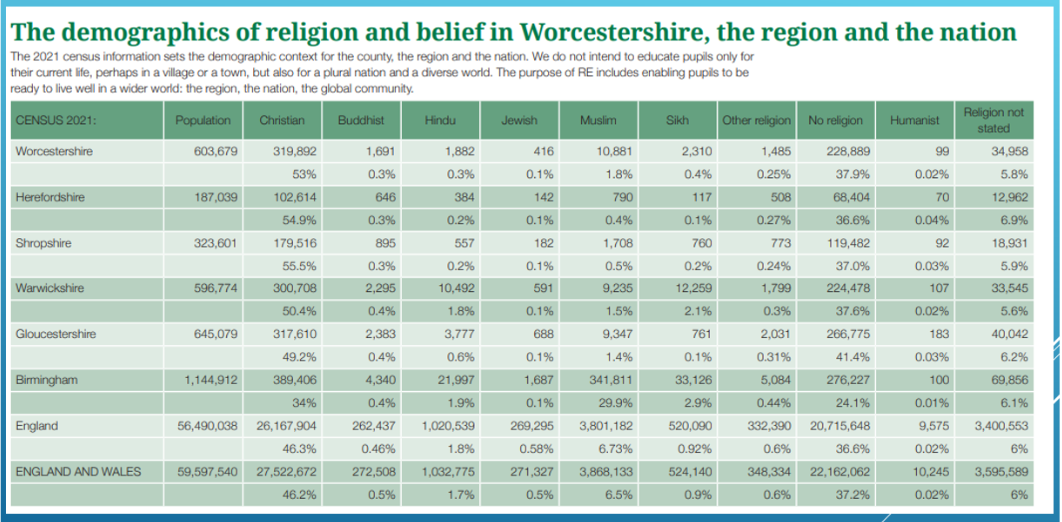
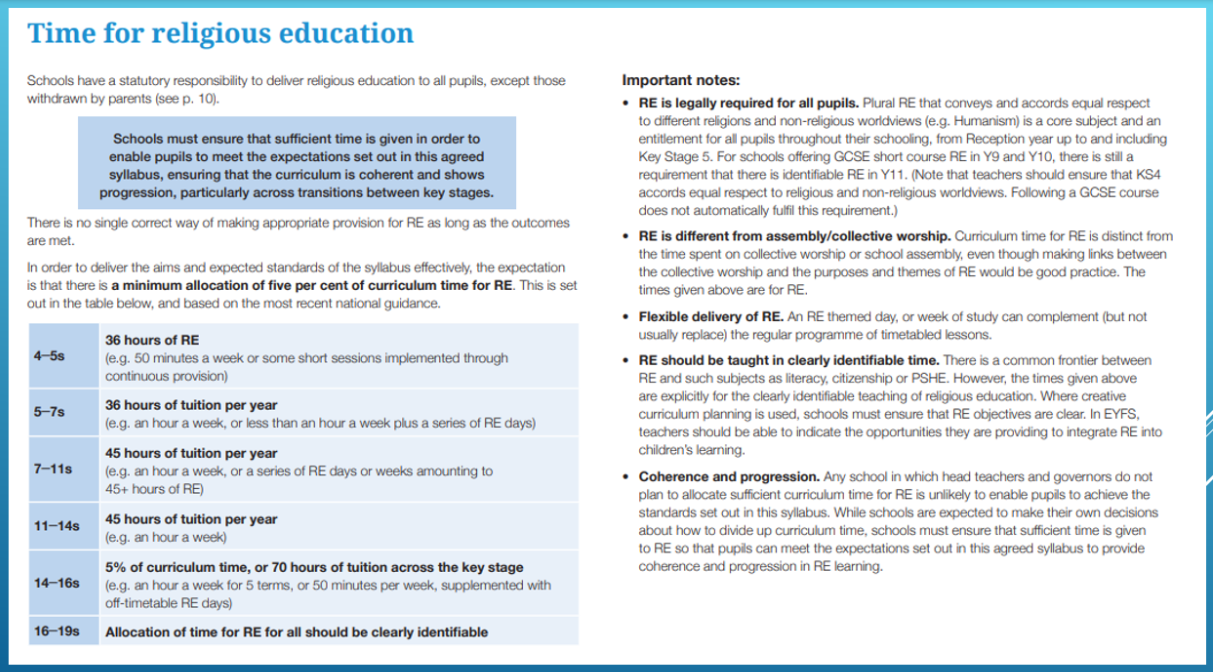
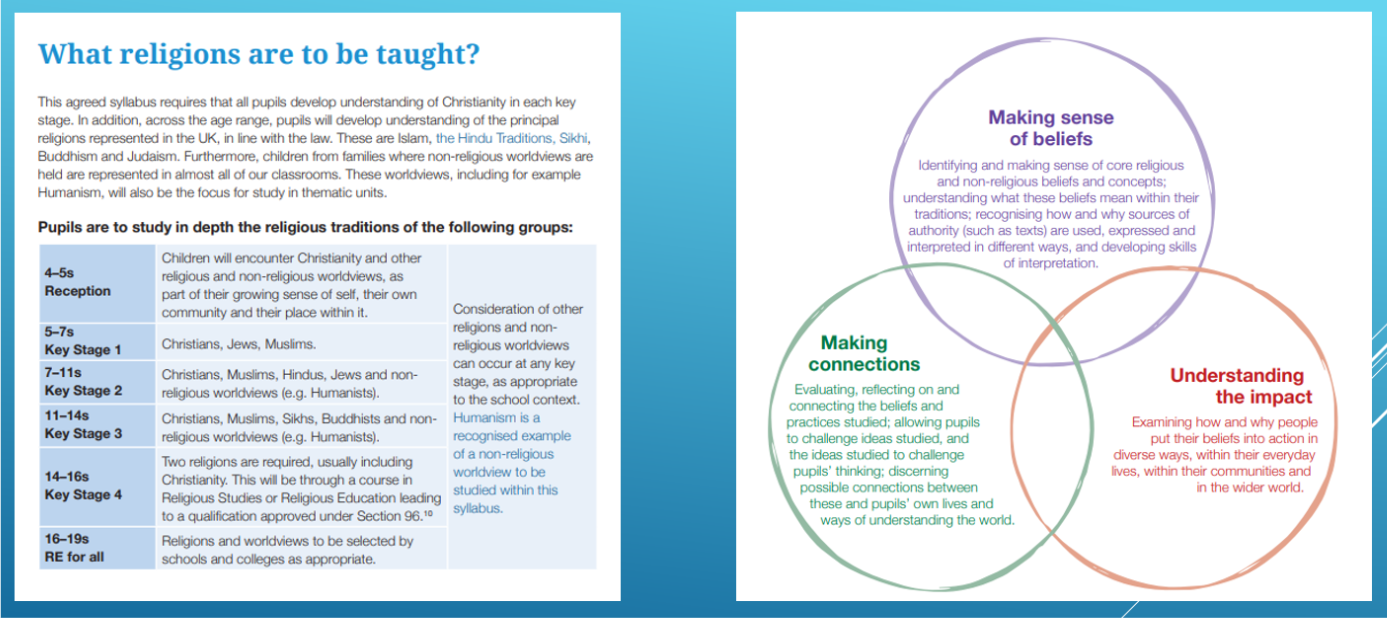
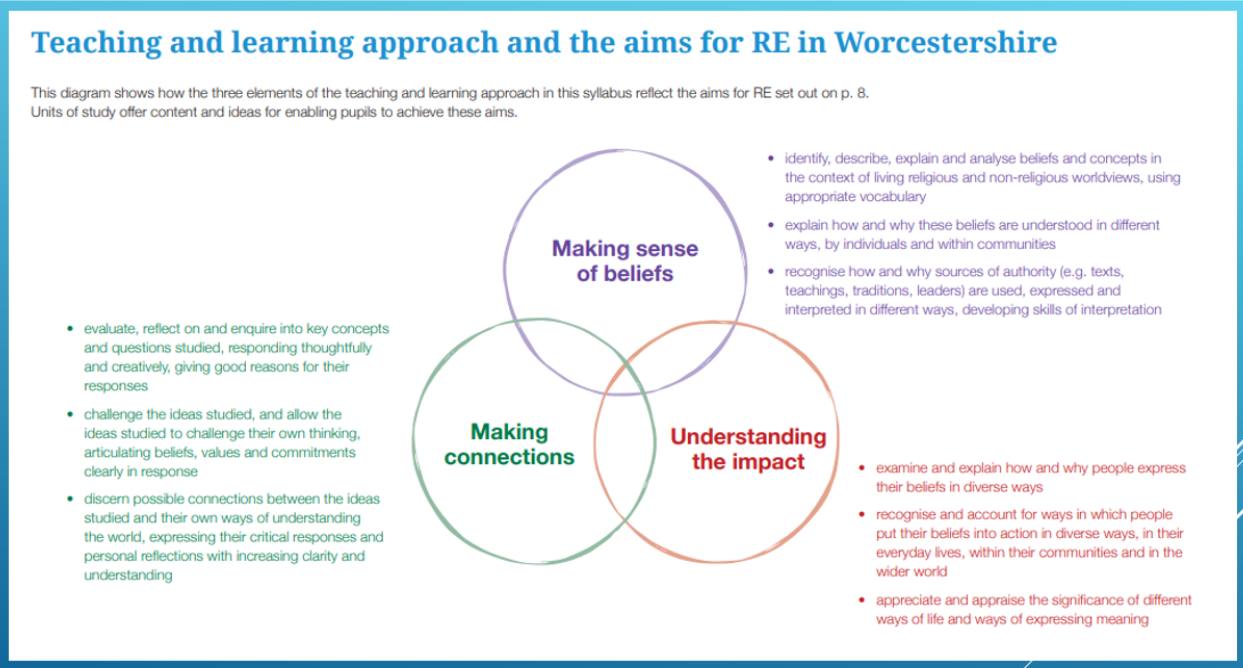
Coverage of syllabus
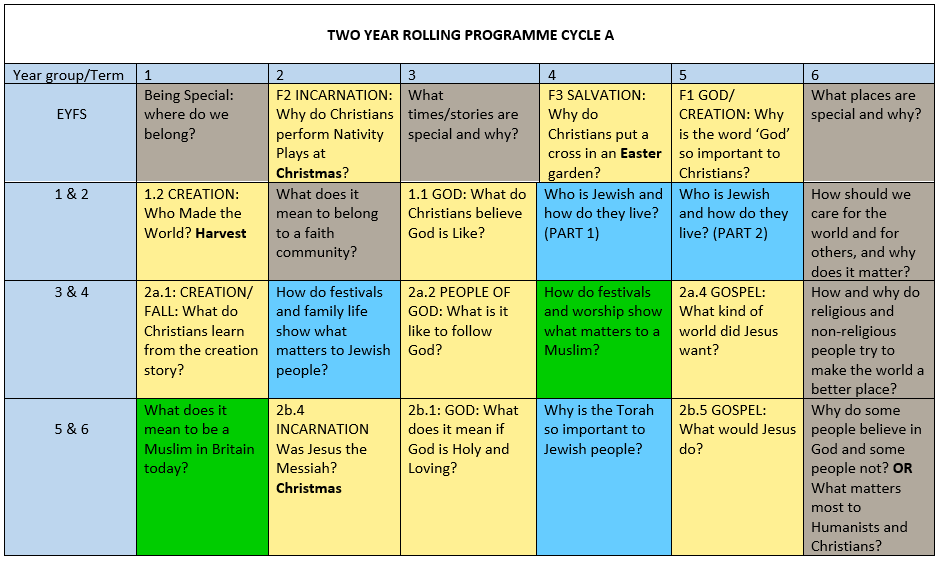
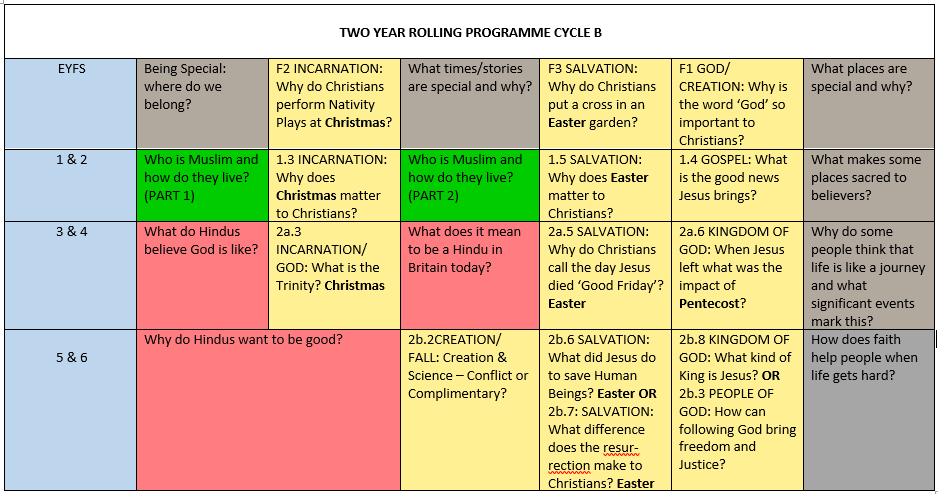
We ensure coverage of the syllabus through our two-year rolling programme:
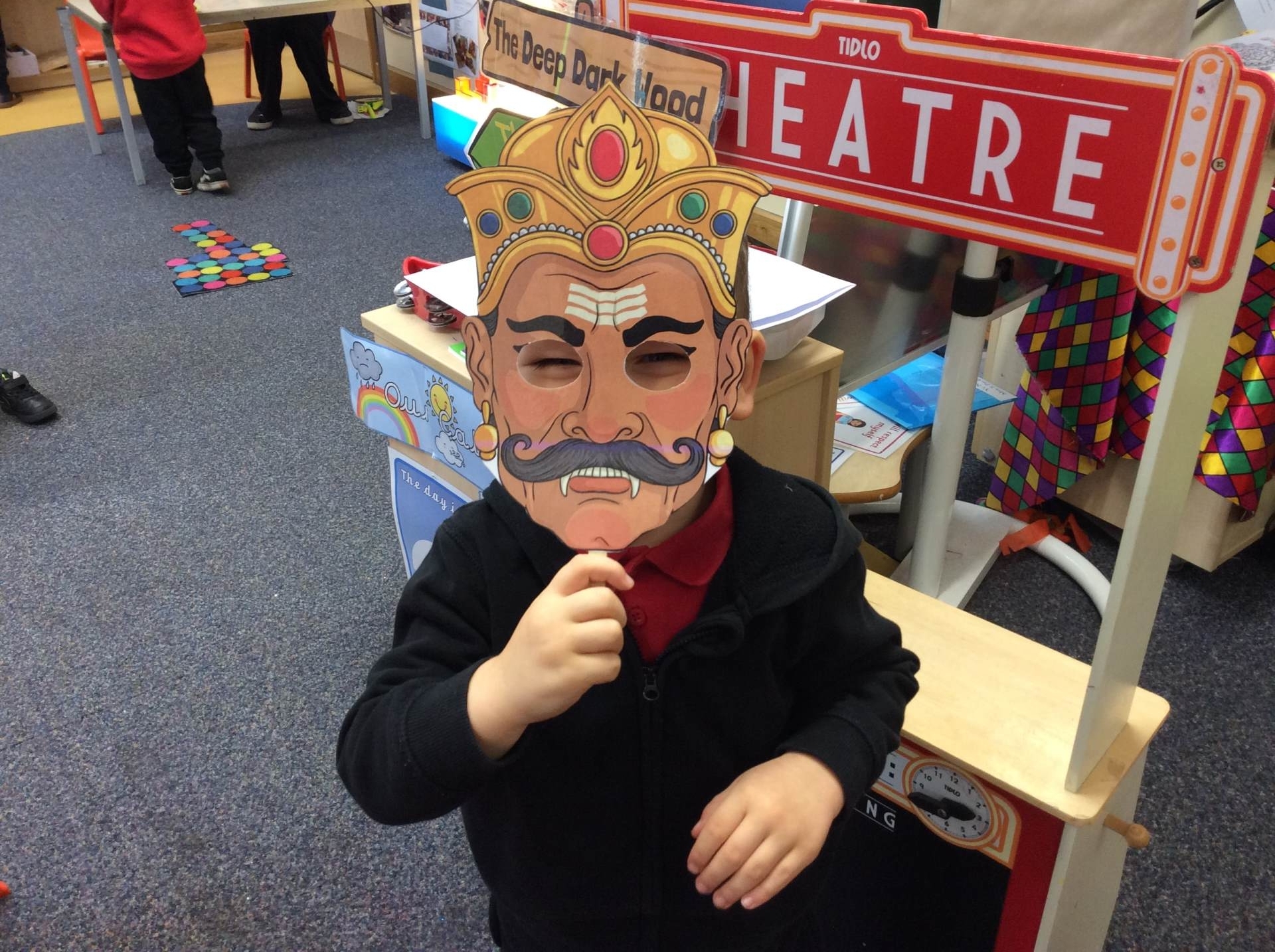
R.E. Opportunities and Experiences
visiting places of worship.pdf
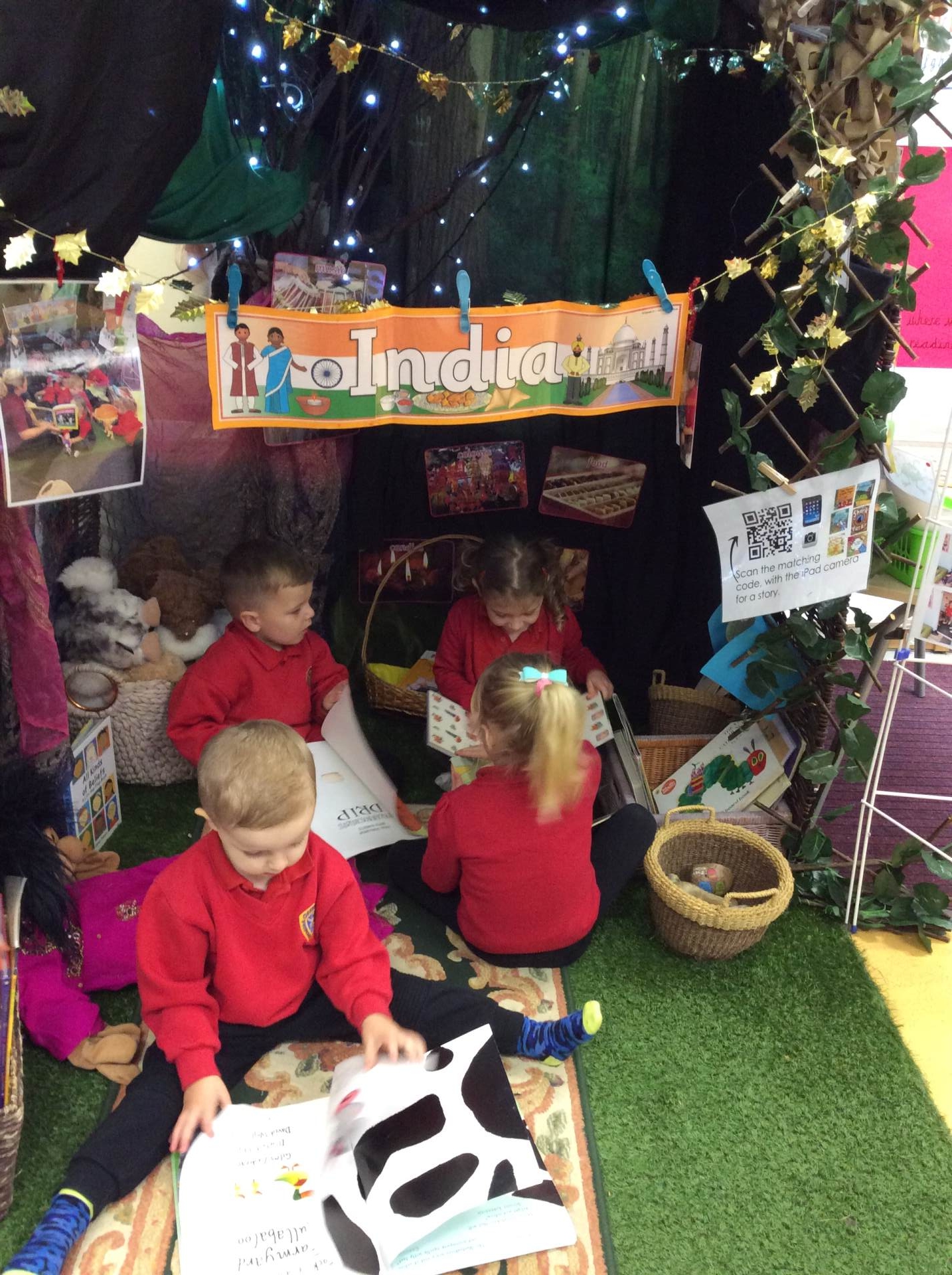
R.E in the Early Years
curriculum lead re eyfs puffins.pdf
/i/video/20211112_144113_1_.mp4
Inclusion in R.E
send curriculum inclusion re.pdf
SMSC in R.E
How RE Promotes Spiritual, Moral, Social and Cultural Development
What we now call spiritual, moral, social and cultural development (SMSC) has always been part of education. The notion of developing not just academic and practical skills in the emerging generation but also self-knowledge, moral courage, a capacity for imaginative sympathy for others and so on has long been a desired outcome of education.
RE: a key contributor but not the only vehicle for SMSC
RE makes a strong contribution to SMSC development and RE lessons support the school’s overall ethos and offer more in the way of spiritual/ moral education than other subjects.
RE helps build upon our CORE VALUE of RESPECT through the education and awareness of others values and beliefs.
Spiritual Development in RE
- Self-awareness: offering opportunities for pupils to reflect on their own views and how they have been formed, as well as the views of others
- Curiosity: encouraging pupils’ capacity for critical questioning,
- Collaboration: utilising lesson techniques which engender group collaboration and communication
- Reflection: providing a space to reflect on pupils’ own values and views, as well as those of others, and to consider the impact of these values
- Resilience: promoting a spirit of open enquiry into emotive or complicated questions, in order to learn how to cope with difficult ideas when they arise in the future
- Response: exploring ways in which pupils can express their responses to demanding or controversial issues
- Values: promoting an ethos of fairness and mutual respect in the classroom and compassion and generosity in pupils through exploring inspiring examples of these qualities in others
- Appreciation: encouraging pupils’ ability to respond with wonder and excitement by exploring some of the marvels and mysteries of the natural world, of human ingenuity, and examples of the capacity of humans to love, create, organise and overcome adversity
Moral Development in RE
Moral development is about exploring and developing pupils’ own moral outlook and understanding of right and wrong. It is also about learning to navigate the fact of moral diversity in the world.
RE is extremely well-suited to exploring social and personal morality in significant ways:
1) Valuing others: in exploring the views of others, young people are well-prepared in RE to appreciate the uniqueness of all humans and their moral value, and to act in the world and towards others accordingly.
2) Moral character development: RE offers a safe space where pupils can learn from their mistakes, appreciate ideas of right and wrong, continue to strive after setbacks, take the initiative, act responsibly and demonstrate resilience.
3) Moral diversity: activities in RE lessons should help pupils feel confident when taking part in debates about moral issues. Debates and discussions should prepare pupils for the fact that there will always be disagreement on matters of morality and their right of expression is balanced by a responsibility to listen to the views of others.
Social development in RE
This refers to the ways young people are shaped in schools with an eye on the sort of society we wish to create in the future. Developing children and young people socially means giving them the opportunities to explore and understand social situations and contexts they may encounter in school or outside.
At Offmore we explore:
- Shared values: opportunities to consider values which are or should be part of society, such as those associated with right and wrong, treatment of others or diversity
- Idealised concepts: topics which require reflection on the abstract concepts our society is built on, such as justice, fairness, honesty and truth, and specific examples of how they affect our common life, such as in relation to how people treat each other in the classroom and school, issues of poverty and wealth, crime and punishment
- Moral sources: a chance to reflect on where ideas about how we should behave come from,
- Influences: opportunities to explore and reflect on the great influence on individuals of family, friends, the media and wider society, in order to understand how our behaviour is affected for good or ill
- Social insight: a chance to acquire insight into significant social and political issues which affect individuals, groups and the nation,
- Role models: teachers should model the sort of behaviour we expect of our children and young people, and RE should explore role models,
- Experiential learning: pupils should have opportunities to embody for themselves expected behavioural and social norms, whether through class discussions, group work and on-going behaviour expectations, or through special events such as school visits or drama workshops.
RE and British Values
- Values education and moral development are an important part of Offmore’s curriculum. They contribute to the wellbeing of each pupil and of all people within our community. The RE curriculum focuses learning in some of these areas, but pupils’ moral development is a whole-school issue.
Mutual Tolerance
- Offmore does not accept intolerant attitudes to members of the community: attitudes which reject other people on the basis of race, faith, gender, sexual orientation or age are rightly challenged. RE challenges children to be increasingly respectful and to celebrate diversity, but tolerance is a starting point. It is much better than intolerance.
Respectful Attitudes
- In the RE curriculum attention focuses on developing mutual respect between those of different faiths and beliefs, promoting an understanding of what a society gains from diversity.
Democracy
- In RE pupils learn the significance of each person’s ideas and experiences through methods of discussion. In debating the fundamental questions of life, pupils learn to respect a range of perspectives. This contributes to learning about democracy, examining the idea that we all share a responsibility to use our voice and influence for the wellbeing of others.
The Rule of Law
- In RE pupils examine different examples of codes for human life, including commandments, rules or precepts offered by different religious communities. They learn to appreciate how individuals choose between good and evil, right and wrong, and they learn to apply these ideas to their own communities.
Individual Liberty
- In RE, pupils consider questions about identity, belonging and diversity, learning what it means to live a life free from constraints.
- If you wish to discuss any elements of Religious Education please contact Miss Green via the school office: office@offmore.worcs.sch.uk
- You have the right to withdraw your child from religious observance.
Assemblies
At our school, respect is at the heart of everything we do, and our assemblies play a vital role in bringing this core value to life.
Led by members of the Senior Leadership Team (SLT), our assemblies provide meaningful opportunities to reflect on key events and important moments throughout the year. They help our school community come together to celebrate successes, recognise achievements, and consider how we can continue to show respect to ourselves, to others, and to the world around us.
We are proud that our assemblies regularly include pupil voice and leadership. Children with key responsibilities play an active role, sharing their knowledge and inspiring their peers. Our Digital Leaders support online safety awareness, helping everyone understand how to use technology responsibly and respectfully. House Captains provide updates on house points and celebrate teamwork and positive contributions. Wellbeing Champions highlight the importance of healthy relationships and kindness, while our Sports Crew promote active lifestyles and encourage participation in clubs and after-school activities.
Through celebration, reflection, and pupil leadership, our assemblies strengthen our shared values and ensure that respect remains central to school life.
R.E. Lessons
Our RE lesson are recorded within an RE book, this book travels through school with each student as their RE journey develops. Each RE lesson is taught using the Offmore LO tab:
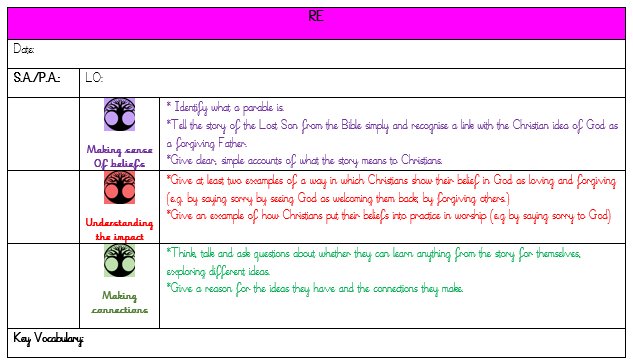
‘Making Sense of Belief’, ‘Understanding the Impact’ and ‘Making Connections’ are broken down for each learning element – some RE concepts maybe taught over several lessons.
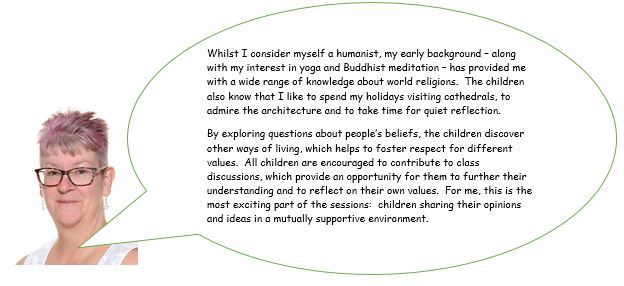
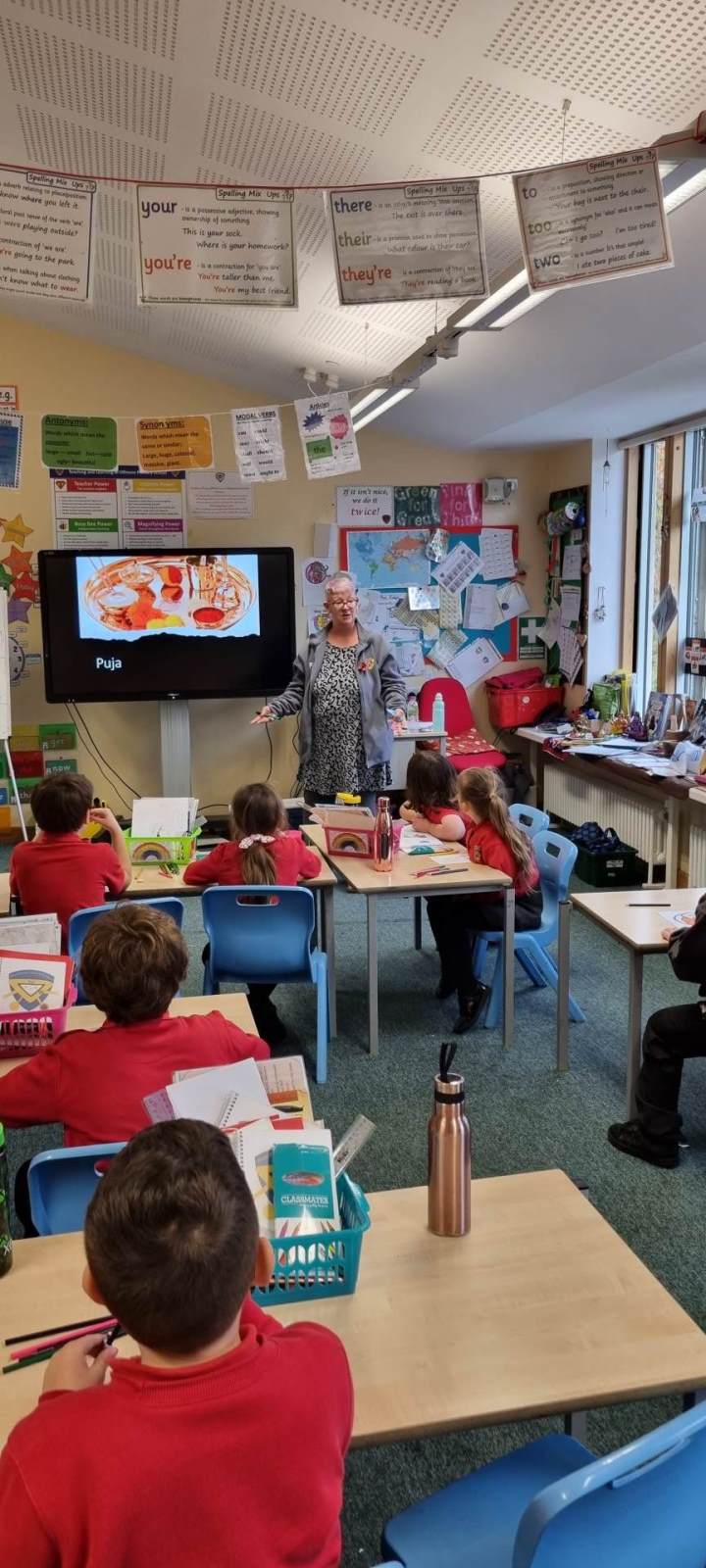
Wherever possible, our RE sessions are delivered by our RE expert…….. Mrs Adamson
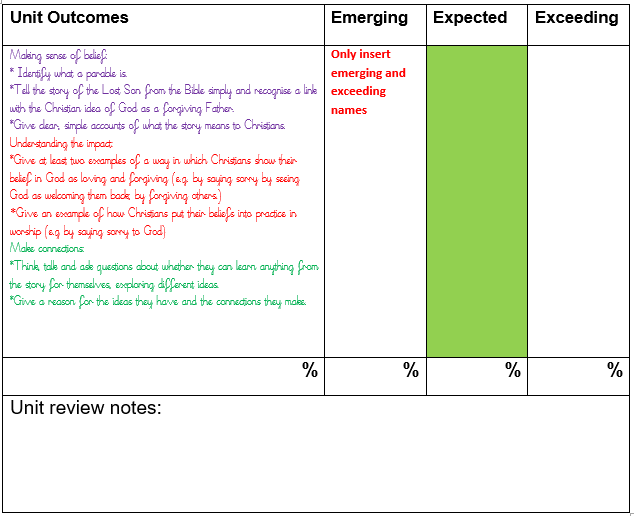
RE is assessed at the end of each unit using our outcomes grid: